Achieve Silky Smooth Cheesecake: Essential Ingredient Tips
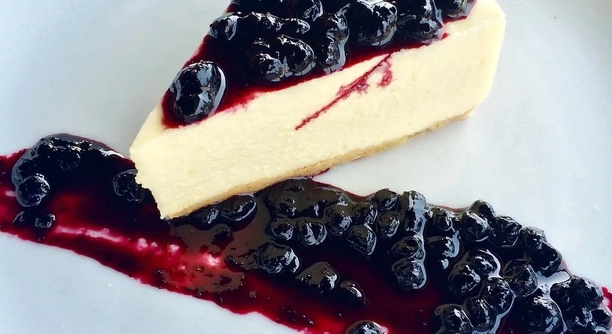
There are few desserts as universally adored as a perfectly crafted cheesecake. Its rich, creamy texture and harmonious balance of sweet and tangy flavors make it a showstopper for any gathering, from intimate birthday celebrations to grand holiday dinners. While the idea of baking a homemade cheesecake recipe might seem daunting, achieving that coveted silky smooth perfection is entirely within reach, especially when you understand the vital role each ingredient plays.
Forget the myth that cheesecake is overly complicated. With the right ingredients and a few expert tricks, you can bypass common pitfalls like cracks and grainy textures. This article will guide you through the essential ingredients, offering insights and tips to ensure your next cheesecake is nothing short of magnificent.
The Foundation of Flavor: Crafting the Perfect Cheesecake Crust
Every great cheesecake starts with an exceptional crust. It's the sturdy, flavorful base that complements the luxurious filling. While there's room for creativity, the classic graham cracker crust remains a beloved standard for a reason.
- Graham Cracker Crumbs: For that buttery, crisp foundation, you'll need fine graham cracker crumbs. You can purchase these pre-made for convenience or easily blitz whole graham crackers in a food processor until finely ground. The quality of your graham crackers can subtly influence the overall flavor, so opt for a brand you enjoy.
- Melted Butter: This is the binding agent that transforms dry crumbs into a cohesive crust. Unsalted butter is typically preferred to control the saltiness, melted gently to ensure it evenly coats the crumbs.
- Sugar: A touch of granulated sugar in the crust adds a lovely sweetness, balancing the savory notes and helping the crust caramelize slightly during baking.
Beyond the Classic: Customizing Your Crust
Don't limit yourself to graham crackers! For an added flavor boost and unique texture, consider these alternatives:
- Vanilla wafer cookies: Crushed vanilla wafers offer a sweeter, more delicate base.
- Crushed almonds: Blending almonds with your crumbs (or using them entirely) introduces a delightful nutty aroma and texture.
- Oatmeal cookies: An easy cheesecake recipe featuring a crust reminiscent of a nutty oatmeal cookie creates a comforting, multi-layered dessert.
Expert Tip: Whether you choose graham crackers or an alternative, firmly pressing the mixture into your springform pan is crucial for a stable, intact crust. You can use the bottom of a glass or your knuckles. For an even firmer crust, some bakers opt for a brief pre-bake, though many recipes (like those favoring a crack-free finish without a water bath) skip this step.
Unlocking Velvety Smoothness: Key Filling Ingredients
The heart of any cheesecake is its filling, and here, ingredient quality and preparation are paramount for achieving that signature smooth, rich texture.
1. Cream Cheese: The Unquestioned Star
This is non-negotiable. For a truly creamy, rich, and dense cheesecake, you absolutely must use full-fat block cream cheese. Here's why:
- Fat Content: Full-fat cream cheese has a lower water content and higher fat content. This translates directly to a denser, more luxurious, and ultimately smoother texture.
- Avoid Low-Fat: Low-fat or whipped cream cheese contains more water and often stabilizers that can result in a grainy, extra-dense, or even watery cheesecake. It simply won't yield the same decadent result.
- Room Temperature is Key: Bring your cream cheese to room temperature (about 30-60 minutes out of the fridge) before mixing. Cold cream cheese will be lumpy and difficult to incorporate smoothly with other ingredients, leading to an uneven texture.
2. Granulated Sugar: More Than Just Sweetness
While its primary role is to sweeten the filling, granulated sugar also contributes to the cheesecake's texture. It dissolves into the cream cheese mixture, helping to create that smooth consistency. Use the specified amount—typically around 1 cup for a standard cheesecake recipe—to ensure perfect balance.
3. Eggs: The Essential Binder (and Texture Contributor)
Eggs act as the primary binder in cheesecake, giving it structure and helping it set. They also contribute significantly to the creamy texture. However, proper handling is crucial:
- Room Temperature Eggs: Just like cream cheese, eggs absolutely must be at room temperature. If cold eggs are added to room-temperature cream cheese, the cream cheese can firm up and seize, creating lumps that are almost impossible to smooth out.
- Gentle Mixing: Once eggs are added, mix just until combined. Overmixing incorporates too much air into the batter, which can cause the cheesecake to puff up excessively in the oven and then collapse, leading to cracks. For tips on avoiding cracks, consider our guide on how to Bake Crack-Free Cheesecake: The No Water Bath Method Guide.
4. Sour Cream: The Unsung Hero of Tang and Texture
Often overlooked, full-fat sour cream is a secret weapon for an unbelievably smooth and tangy cheesecake. Its role is multifaceted:
- Adds Moisture: Sour cream contributes moisture, which helps prevent the cheesecake from drying out and cracking.
- Enhances Creaminess: Its rich, thick texture blends seamlessly into the batter, boosting the overall creaminess.
- Balances Sweetness: The slight tanginess of sour cream cuts through the richness of the cream cheese and sugar, preventing the cheesecake from tasting overly sweet and creating a more complex flavor profile.
- Room Temperature: Like the cream cheese and eggs, ensure your sour cream is at room temperature for optimal, lump-free blending.
The Secret to a Balanced Taste: Enhancers and Temperature
While the core ingredients create the bulk of the cheesecake, these smaller additions and a keen eye on temperature are what elevate it from good to truly exceptional.
- Vanilla Extract (or Vanilla Bean Paste): Use high-quality pure vanilla extract, not imitation vanilla essence. The difference in flavor is remarkable. For a gourmet bakery-style look with tiny black specks, consider scraping the seeds from a vanilla bean or using vanilla bean paste. Vanilla adds warmth and depth to the overall flavor.
- Lemon Juice: The Subtle Brightener: A small amount of fresh lemon juice is a game-changer. Don't worry, it won't make your cheesecake taste like a lemon cheesecake! Instead, its acidity acts as a natural counterpoint, cutting through the richness of the cream cheese and subtly brightening all the other flavors. It's the secret ingredient that makes the filling extra delicious and prevents it from being one-dimensionally sweet.
The Golden Rule of Ingredient Temperature: We've mentioned it multiple times, but it bears repeating: all dairy and eggs should be at room temperature. This is arguably the most critical tip for achieving a silky, lump-free cheesecake batter. When ingredients are at similar temperatures, they emulsify and combine much more smoothly, without any seizing or curdling. Plan ahead and take them out of the fridge about an hour before you begin mixing.
Beyond the Basics: Customizing Your Cheesecake Recipe
Once you've mastered the classic, the world of cheesecake customization opens up. The principles of quality ingredients remain, but the flavors and toppings can transform your creation into something entirely new:
- Flavor Infusions: Imagine swirls of fudge in a rich peanut butter cheesecake, or a pumpkin-spiced filling for autumn. From chocolate and peanut butter to vibrant berry swirled fillings, the possibilities are endless.
- Creative Toppings: Elevate your cheesecake with decadent toppings. A nutty caramel sauce (even a store-bought ice cream topping can keep it simple!), extra hot fudge and peanut butter cups, a homemade apple and cinnamon topping reminiscent of three desserts in one, or a sprinkle of toasted almond slivers for extra texture and taste.
- Crust Variations: As mentioned, experimenting with different cookie crumbs or adding herbs or citrus peel to your graham cracker base can create unique flavor profiles.
Don't be afraid to make your cheesecake recipe truly your own. And in case you make a larger batch (which is often recommended, given how quickly it disappears!), remember that cheesecake freezes beautifully, allowing you to enjoy slices of pure indulgence whenever the craving strikes.
Conclusion
Achieving a silky smooth, crack-free cheesecake isn't a mystical art; it's a science rooted in understanding your ingredients. By focusing on full-fat dairy, bringing all components to room temperature, and using high-quality flavor enhancers like pure vanilla and a touch of lemon, you're well on your way to baking a truly spectacular dessert. So gather your ingredients, follow these essential tips, and prepare to impress with a homemade cheesecake that boasts an irresistibly creamy and decadent texture every single time.
